What Does 잘 먹겠습니다 (Jal Meokgetseumnida) Mean?
Written and reviewed by Jun and Jin, native Korean speakers
Published · Updated · How we write & review
After this page, you can say 잘 먹겠습니다 (jal meokgetseumnida) before a meal, and know who you're thanking when you do.
10-second answer
What does Jal Meokgetseumnida mean?
잘 먹겠습니다 (jal meokgetseumnida) literally means "I will eat well" — said before eating, it works like "thank you for this meal." Its partner phrase 잘 먹었습니다 (jal meogeotseumnida, "I ate well") closes the meal. Both thank whoever cooked, bought, or shared the food.
Quick check — did that land?
1. Your friend's mom sets a full table in front of you. Before eating you say:
잘먹겠습니다. Why do Koreans say 잘 먹겠습니다 before taking the first bite?
Quick Examples
우와, 맛있겠다! 잘 먹겠습니다!
uwa, masitgetda! jal meokgetseumnida!
Wow, this looks delicious! Thank you for the meal!
잘 먹었습니다. 진짜 맛있었어요.
jal meogeotseumnida. jinjja masisseosseoyo.
That was a great meal. It was really delicious.
After eating — past tense 먹었.
잘 먹을게!
jal meogeulge!
Thanks, I'll dig in!
Casual version among friends.
A note on spelling. The official romanization of 잘 먹겠습니다 is jal meokgetseumnida, but you'll see the phrase written many ways: jal meokgesseumnida, jal mukgetseumnida, jal mokgetseumnida or jal mukgesseumnida. They're all the same phrase.
See also: 밥 먹었어? — the 'did you eat?' greeting
Who Are You Thanking?
Unlike a prayer or Japan's itadakimasu (which it's often compared to), 잘 먹겠습니다 is aimed at people: the host who cooked, the senior who's paying, the friend who's sharing. Eating alone, most Koreans skip it; at someone's table, skipping it feels unmannerly.
| Moment | Phrase | Literally |
|---|---|---|
| Before eating | 잘 먹겠습니다 | I will eat well |
| After eating | 잘 먹었습니다 | I ate well |
| Casual before | 잘 먹을게 | I'll eat well (to a friend) |
Tiny grammar bonus: 겠 marks intention (will), 었 marks past — the same pair you'll meet everywhere in Korean verbs. This phrase is secretly a conjugation lesson.
What the cook says back — 많이 먹어, 잘 먹어 or 맛있게 먹어 — is explained in three ways to say "enjoy your meal".
At a Restaurant vs. at Someone's Table
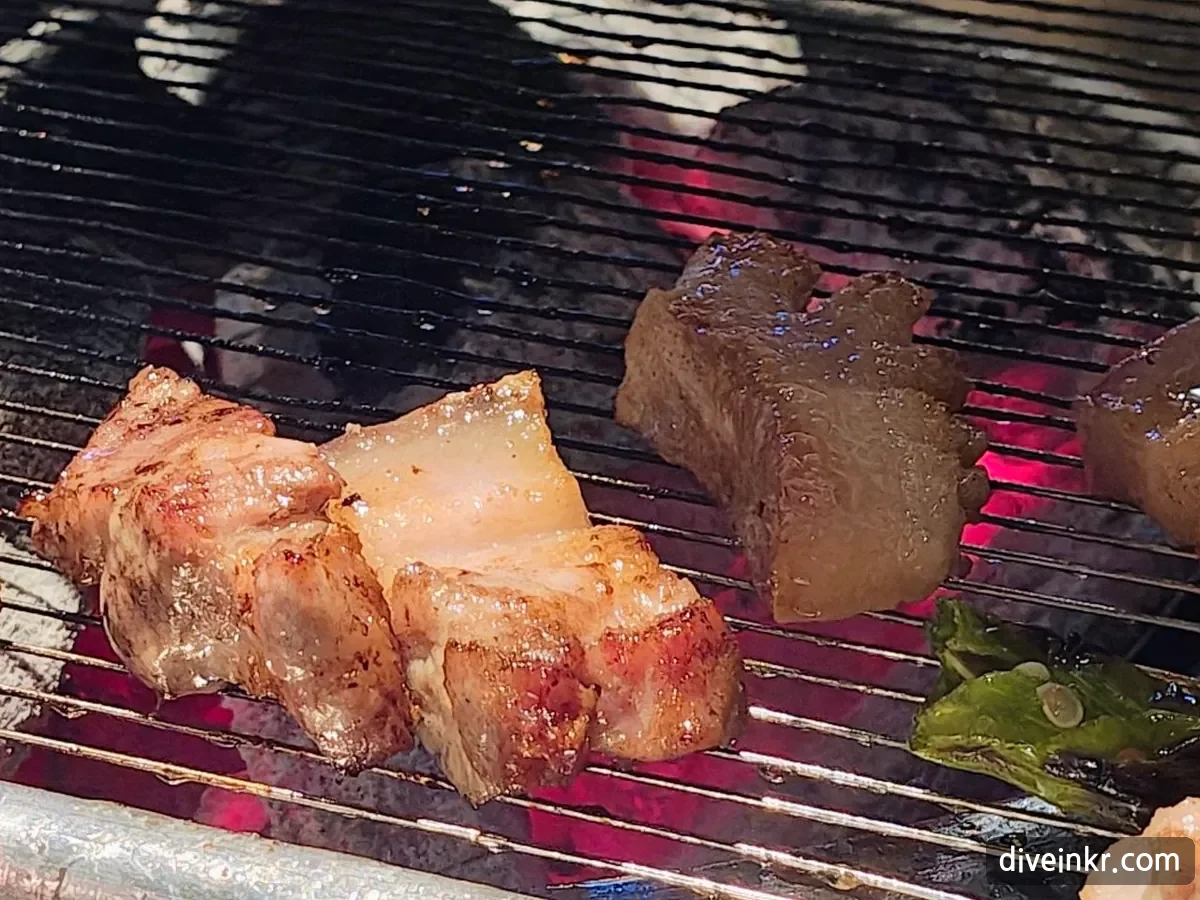
Here's where learners often overdo it: you don't say 잘 먹겠습니다 to restaurant staff. When they bring the food, a simple 감사합니다 (gamsahamnida) or 고맙습니다 (gomapseumnida) is what you say.
At a restaurant, the phrase is for the person paying. If someone senior in your group is treating everyone, say 잘 먹겠습니다 to them before you start. And when it hasn't been decided who's paying, saying 잘 먹겠습니다 to someone is a half-joking way of hinting that they should treat you.
At home, it matters most when it's clear who prepared the meal and that person is someone you know — or the family or friend of someone you know. A friend's mother who cooked dinner, a host who laid the table: then say it clearly, and loud enough for them to hear. Mumbling it into your plate misses the point, because the words are for them. The same person should hear 잘 먹었습니다 when you finish. For the everyday check-in about meals, see 밥 먹었어? (bap meogeosseo?).
어머니, 잘 먹겠습니다!
eomeoni, jal meokgetseumnida!
Thank you — I'll enjoy this! (to a friend's mother who cooked)
차려 주셔서 감사합니다. 잘 먹겠습니다.
charyeo jusyeoseo gamsahamnida. jal meokgetseumnida.
Thank you for preparing all this. I'll enjoy it.
정말 맛있었어요. 잘 먹었습니다!
jeongmal masisseosseoyo. jal meogeotseumnida!
It was really delicious. Thank you for the meal!
Common Mistakes
Mistake #1 — Mixing up before/after
먹겠습니다 (will eat) opens the meal; 먹었습니다 (ate) closes it. Swapped, it's instant comedy.
Mistake #2 — Treating it as religious
It's social gratitude, not grace. The 'target' is the person who provided the food.
Mini Quiz
2 short questions — about 1 minute
2. What does 잘 먹었습니다 signal?
3. Who is 잘 먹겠습니다 mainly directed at?
Part of Korean Greetings & Everyday Politeness — The Survival Set
Related Knowledge
Learn Next
What Does 수고했어 (Sugohaesseo) Mean?
Meals have their ritual phrase — so does finishing work. 수고했어 is untranslatable and essential.
Will you remember this tomorrow?
Save it — your daily review brings it back right before you'd forget. No account needed.