Korean Word & Slang Meanings
What Korean words actually mean — with real examples, who says them to whom, common mistakes, and a quick quiz to check you got it.
Every entry below follows the same shape: a 10-second answer first, then real example sentences, then the mistake English speakers actually make with that word, and a one-question check at the end. Don't try to read this page top to bottom — search or scroll for the specific word you just heard and open only that one.
101 pages · 99 with a short video · 41 with our own photos or handwriting
Most read by learners
All 101 pages
What Does 애교 (Aegyo) Mean in Korean?
애교 (aegyo) is acting cute in Korean culture — 애교 부리다, K-pop aegyo, bbuing bbuing, and when it's expected.
▶ Short video
What Does 아이고 (Aigoo) Mean in Korean?
Aigoo (아이고, also aigo) is the Korean sigh for pain, sympathy, frustration and even affection. When natives say it, with real examples and a quiz.
▶ Short video
What Does 아줌마 (Ajumma) Mean in Korean?
Ajumma (아줌마, also ajuma or ahjumma) means a middle-aged woman in Korean — but it can offend. What it implies and what to say instead (이모, 저기요).
▶ Short video✍️ Handwriting

What Does 아저씨 (Ajusshi) Mean in Korean?
Learn what 아저씨 (ajusshi) means in Korean — 'mister' or middle-aged man — when it's fine, when it distances, and what to say instead.
▶ Short video
What Does 올킬 (All-Kill) Mean in K-pop?
Learn what 'all-kill' (올킬) means in K-pop — topping every major music chart at once — and the difference between a Perfect All-Kill and a regular one.
▶ Short video
How to Say No in Korean (아니요/아니)
Learn how to say 'no' in Korean — 아니요 (polite) and 아니 (casual) — plus how Korean 'no' answers work differently than English on negative questions.
▶ Short video
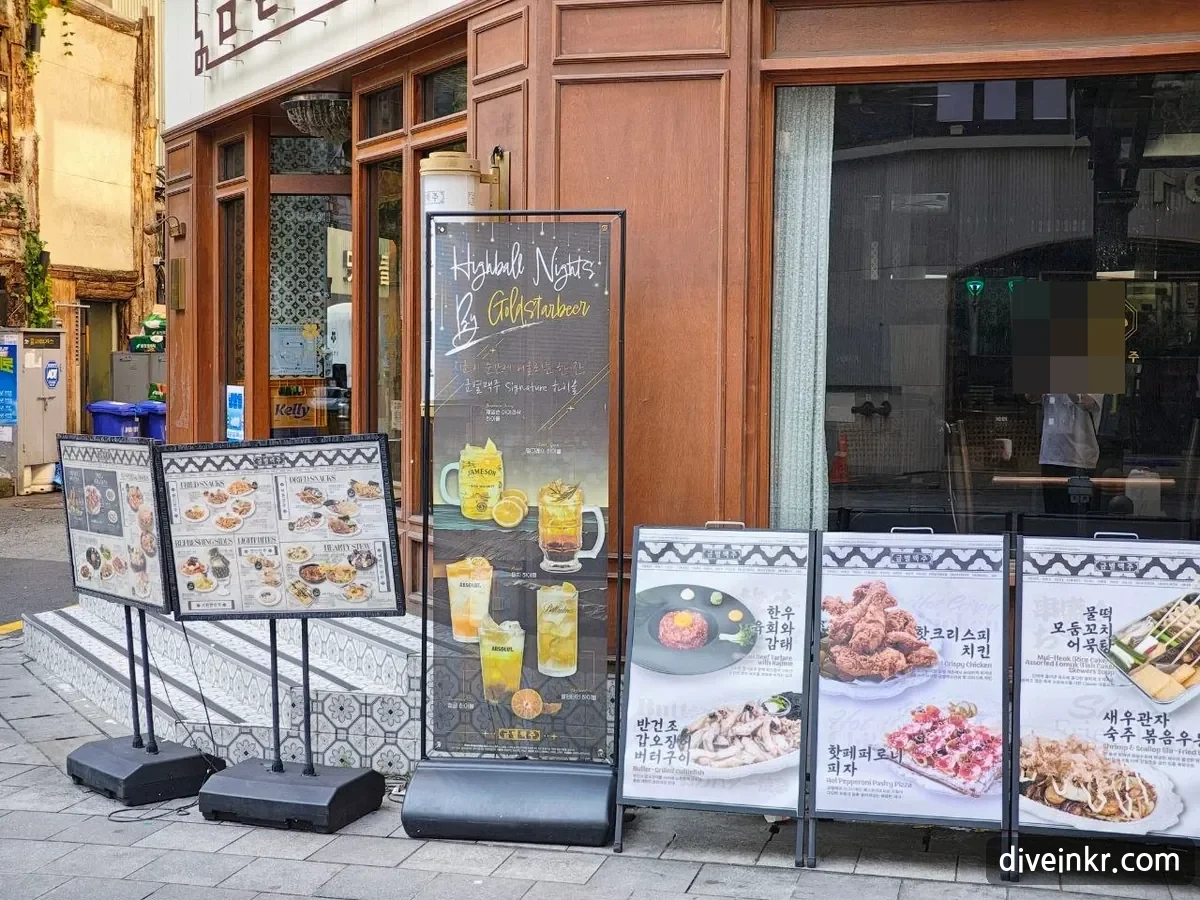
What Does 안주 (Anju) Mean in Korean?
안주 (anju) is the food Koreans eat alongside alcohol, from fried chicken to dried squid — and why drinking without it feels wrong.
▶ Short video📷 Our photos
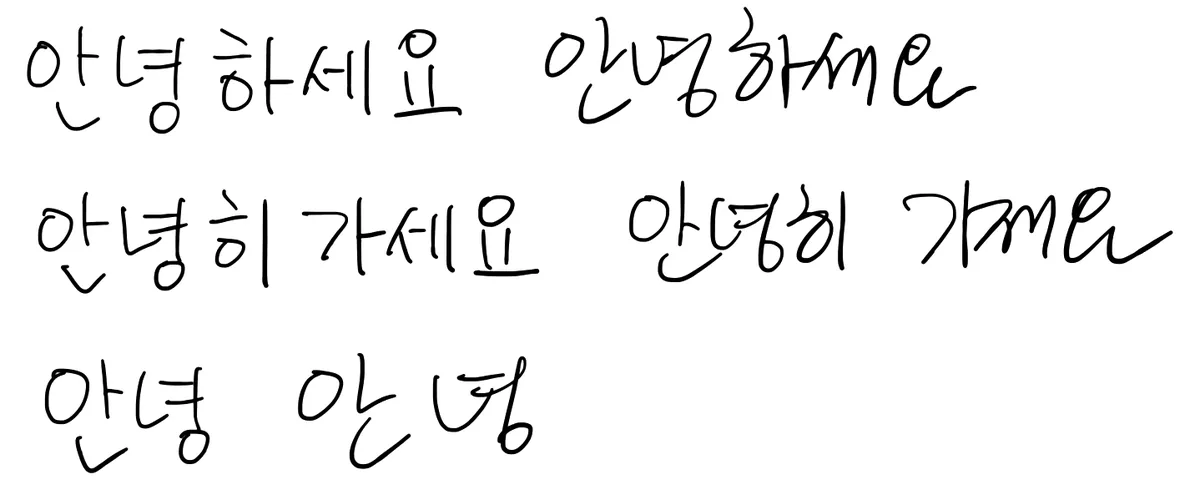
What Does 안녕 (Annyeong) Mean in Korean?
안녕 (annyeong) is the casual Korean hi that also means bye. Who you can say it to (friends and kids, not elders), how it differs from 안녕하세요, and bye to a place.
▶ Short video✍️ Handwriting
What Does 안녕하세요 (Annyeonghaseyo) Mean in Korean?
Annyeonghaseyo (안녕하세요) meaning and how to actually pronounce it, when to bow, 안녕 vs 안녕하세요, and what to reply — with audio and a quiz.
▶ Short video✍️ Handwriting

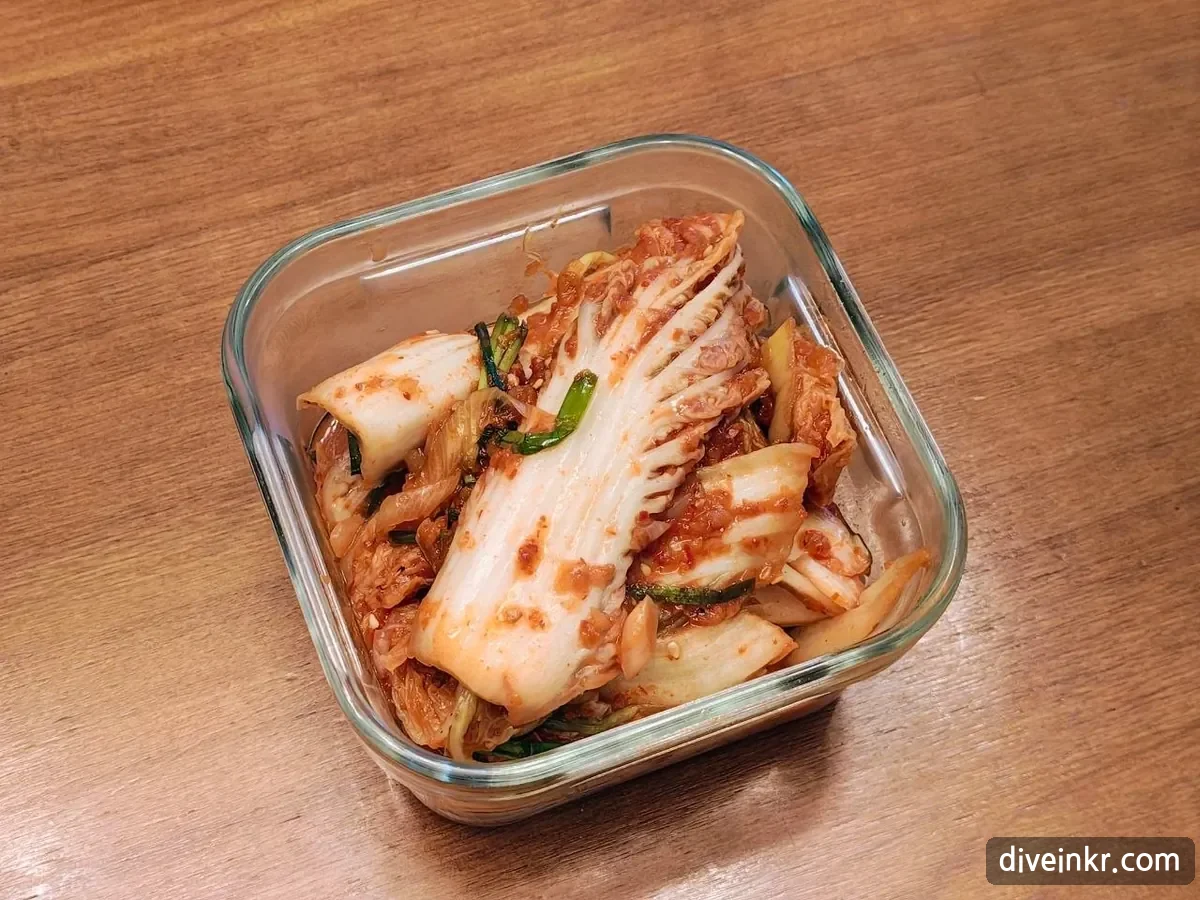
What Does 반찬 (Banchan) Mean in Korean?
반찬 (banchan) are the shared side dishes at every Korean meal — including kimchi, free refills, and the dining etiquette around them.
▶ Short video📷 Our photos
Why Do Koreans Ask 밥 먹었어? (Did You Eat?)
밥 먹었어? (bap meogeosseo) literally means 'did you eat?' — but it's really a Korean greeting meaning 'how are you?'
▶ Short video📷 Our photos
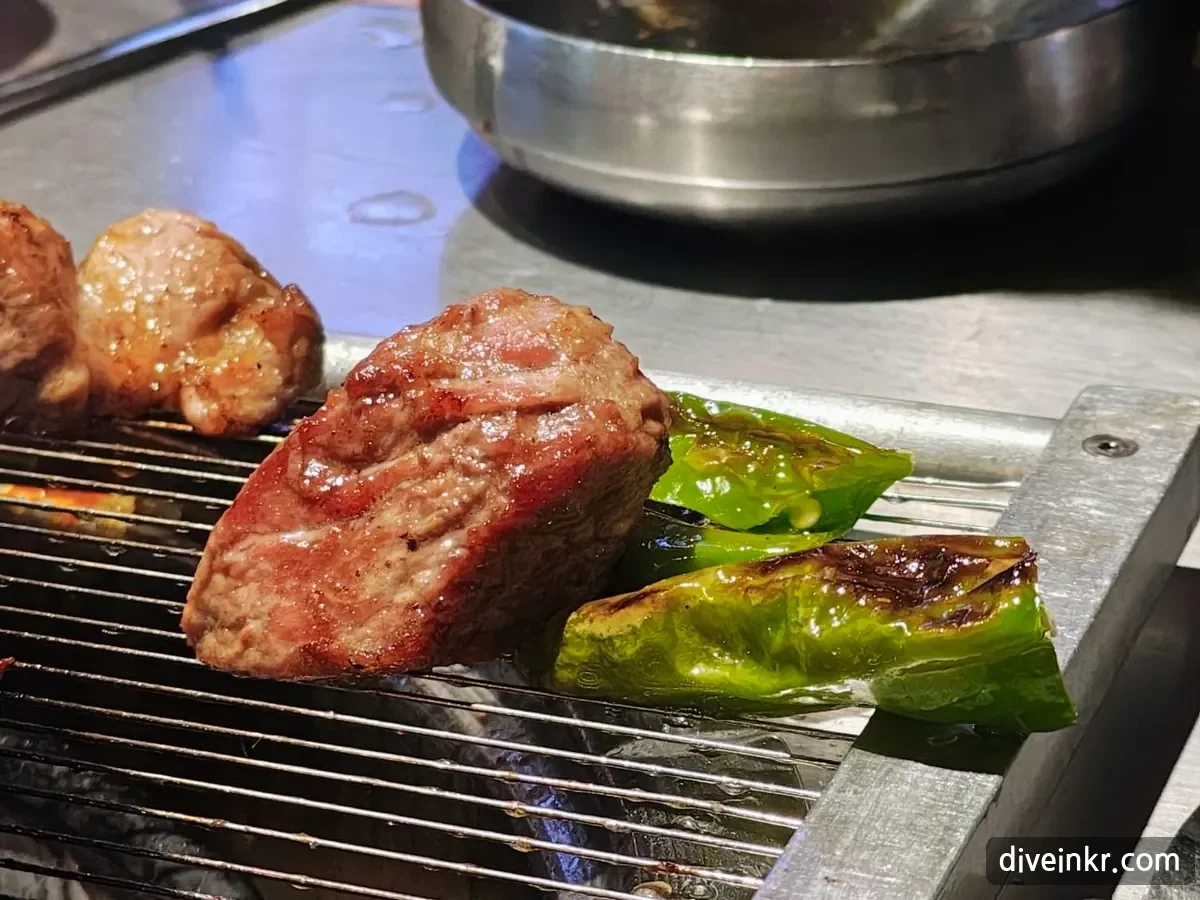
How Do You Say Baskin-Robbins in Korean?
Learn how to say Baskin-Robbins in Korean — 배스킨라빈스 — one of the longest brand-name transformations, plus its beloved nickname 배라.
▶ Short video
How Do You Say Bus and Taxi in Korean?
Learn how to say bus (버스) and taxi (택시) in Korean, and why each word's final consonant sound needs an extra vowel that English doesn't have.
▶ Short video📷 Our photos
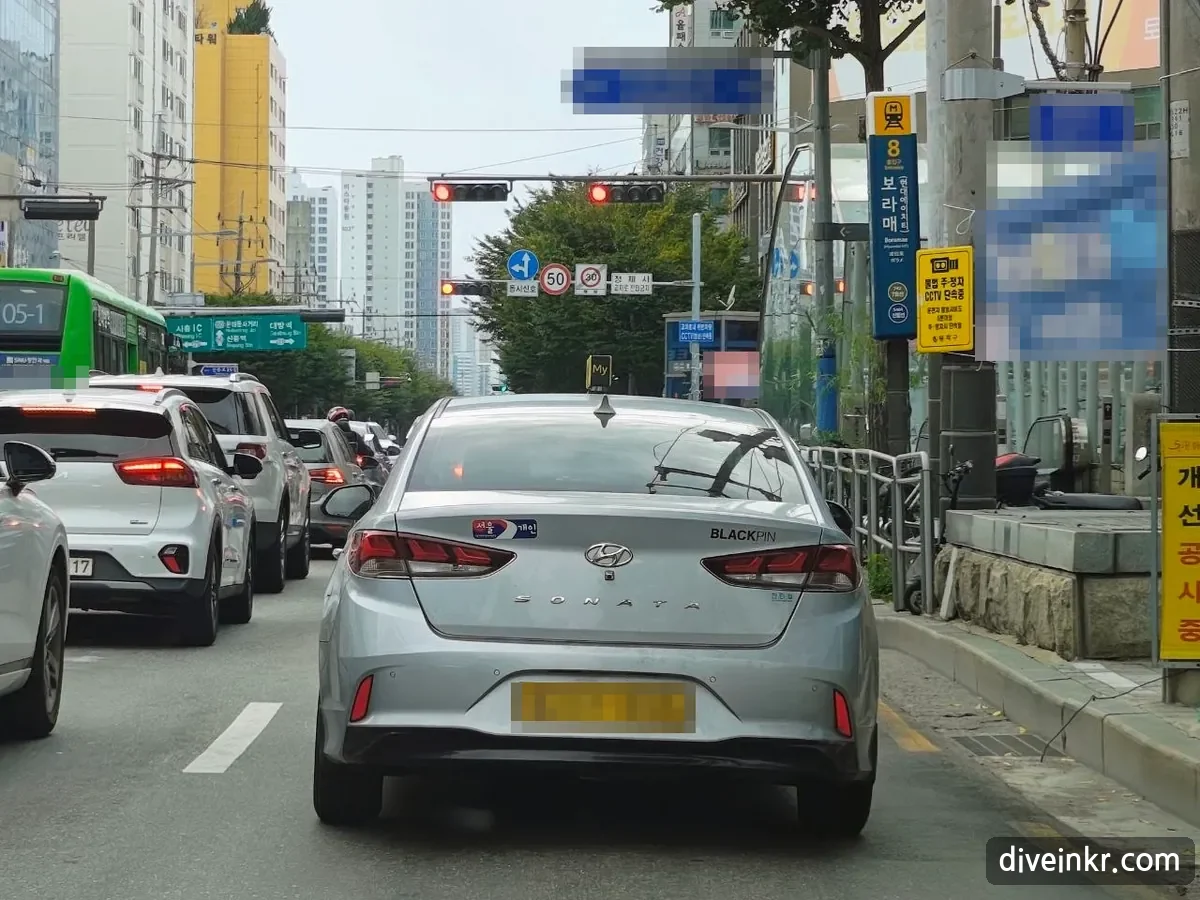
What Does 보고 싶다 (Bogo Sipda) Mean? 'I Miss You' Explained
Bogoshipda (보고 싶다, also bogo sipda) literally means 'want to see' but really means 'I miss you'. Its politeness levels and how it's used in texts and songs.
▶ Short video
What Does 보라해 (Borahae) Mean?
보라해 (borahae) is BTS member V's phrase blending 'purple' and 'I love you' — the reason purple became BTS/ARMY's signature color.
▶ Short video✍️ Handwriting

How Do You Say Burger King in Korean?
Learn how to say Burger King in Korean — 버거킹 (beogeoking) — and why 'burger' loses its 'r' sound quality but 'king' stays remarkably close to English.
▶ Short video
How to Say Cheers in Korean (5 Toasts, Not Just 건배)
'Cheers' in Korean isn't just 건배 — 위하여, 짠, and full toast speeches (건배사) all show up depending on the setting. Here's what each one means and when to use it.
▶ Short video
What Does 치맥 (Chimaek) Mean in Korean?
치맥 (chimaek) is Korea's beloved fried chicken and beer combo — and how it became a cultural phenomenon of its own.
▶ Short video
What Does 친구 (Chingu) Mean in Korean?
친구 (chingu) means 'friend,' but unlike English it technically only applies to people the exact same age as you. Here's who you can actually call 친구.
▶ Short video
What Does 최애 (Choi-ae) Mean? K-pop Bias Explained
최애 (choi-ae) is your favorite or 'bias' in K-pop fandom — plus 차애 (second favorite) and how bias culture works.
▶ Short video
How Do You Say Coca-Cola in Korean?
Learn how to say Coca-Cola in Korean — 코카콜라 (kokakolla) — one of the closest matches to English pronunciation of any major loanword, and why.
▶ Short video
What Does 컴백 (Comeback) Mean in K-pop?
Learn what 'comeback' (컴백) means in K-pop — releasing new music, not necessarily returning after time away — and how it differs from a debut.
▶ Short video
6 Ways to Say Congratulations in Korean
From formal 축하드립니다 to a casual 축하해, here are 6 ways to say congratulations in Korean, organized by formality and occasion.
▶ Short video
What Does 대박 (Daebak) Mean in Korean?
대박 (daebak) ranges from 'jackpot' to 'awesome' to a shocked 'no way' in Korean — with real examples and a quiz.
▶ Short video
What Does 동생 (Dongsaeng) Mean in Korean?
동생 (dongsaeng) means younger sibling or a close younger friend — but it's a word you use about someone, never to them. 남동생 vs 여동생, and how it pairs with 오빠·형.
▶ Short video
How Much in Korean? (얼마예요) Explained
얼마예요? (eolmayeyo) is how you ask 'how much' in Korean — plus how to understand the price you're given using Sino-Korean numbers.
▶ Short video📷 Our photos
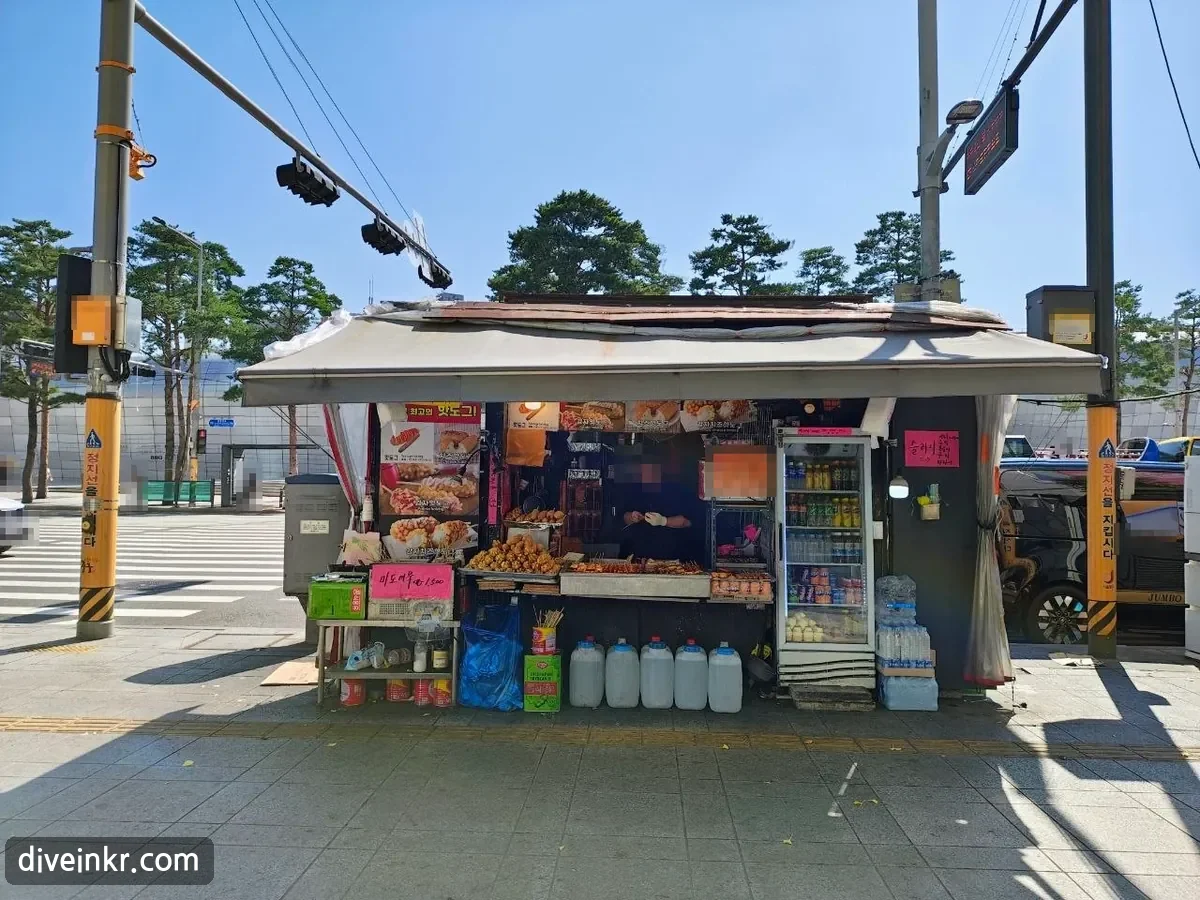
What Do 엄마 and 아빠 Mean? Mom and Dad in Korean
Learn 엄마 (mom) and 아빠 (dad) in Korean, the more formal 어머니/아버지, and why kids (and grown adults) keep using the cute versions for life.
▶ Short video✍️ Handwriting

What Does 언니 (Unnie) Mean in Korean?
Unnie (언니, officially eonni) is what a woman calls an older sister or older female friend. Who can say it, why it's used with shop staff, and unnie vs noona.
▶ Short video
What Does 어서 오세요 (Eoseo Oseyo) Mean in Korean?
어서 오세요 (eoseo oseyo) is the 'welcome!' you hear entering every Korean shop — and whether you're expected to reply.
▶ Short video✍️ Handwriting

What Does 어떡해 (Eottoke) Mean in Korean?
Eottoke (어떡해, also spelled otoke or eotteoke) means 'oh no, what do I do?!' in Korean. How it differs from 어떻게, and why K-dramas say it constantly.
▶ Short video
The 으 Sound in Korean, Explained
으 (eu) is a distinctively Korean vowel sound with no real English equivalent — here's how to pronounce it, and why it shows up constantly in grammar.
▶ Short video✍️ Handwriting

What Does 갑분싸 (Gapbunssa) Mean?
갑분싸 (gapbunssa) is Korean slang for a sudden awkward silence — where the word comes from and how to use it.
▶ Short video
What Does 고모 (Gomo) Mean in Korean?
고모 (gomo) is 'aunt' on the father's side in Korean, as opposed to 이모 on the mother's side — with the mistake most learners make.
▶ Short video
How to Say Good Afternoon in Korean (5 Real Options)
Korean has no everyday 'good afternoon.' Here are the greetings Koreans really use after lunch, from 안녕하세요 to 점심 드셨어요?, sorted by formality.
▶ Short video
5 Ways to Say Good Luck in Korean
From formal 행운을 빕니다 to the iconic 화이팅, here are 5 ways to say good luck in Korean, organized by formality and situation.
▶ Short video
6 Ways to Say Good Morning in Korean
Good morning in Korean, formal to informal: from 안녕히 주무셨어요? to casual 잘 잤어? and 굿모닝 — 6 phrases and exactly who you'd say each one to.
▶ Short video
How to Say Good Night in Korean
Learn how to say good night in Korean — 잘 자요 (polite) and 잘 자 (casual) — plus the sweet-dreams variant 좋은 꿈 꿔.
▶ Short video
10 Ways to Say Goodbye in Korean
Goodbye in Korean depends on who's leaving: 안녕히 가세요 vs 안녕히 계세요. Formal and informal ways to say bye, plus phone and see-you-later versions.
▶ Short video
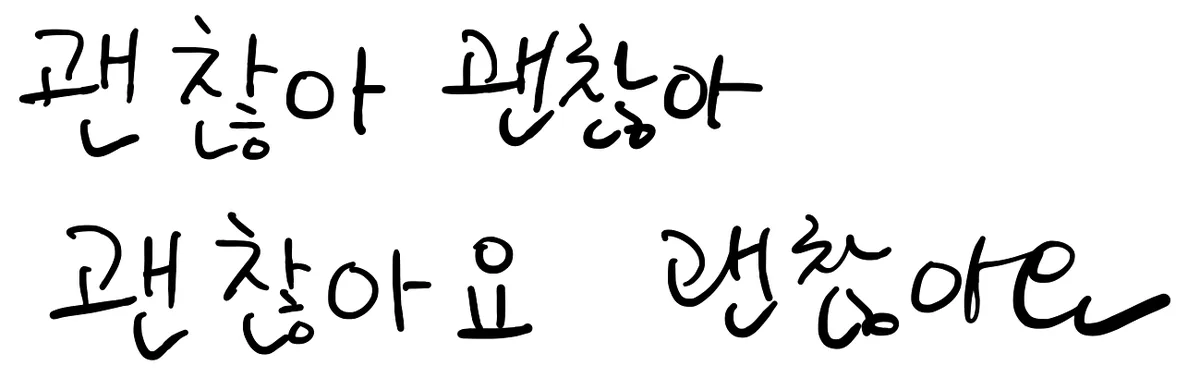
What Does 괜찮아 (Gwaenchana) Mean in Korean?
Gwaenchana (괜찮아, often spelled gwenchana) means 'it's okay' in Korean — and also 'I'm fine', 'no thanks' and 'are you okay?'. One word, four jobs.
▶ Short video✍️ Handwriting
How to Say Happy Birthday in Korean
Happy birthday in Korean and birthday wishes, formal and informal: saengil chukhahae (생일 축하해), chukhahaeyo, chukhahamnida — plus the seaweed soup tradition.
▶ Short video
How to Say Happy New Year in Korean (새해 복 많이 받으세요 and 4 More)
새해 복 많이 받으세요 (saehae bok mani badeuseyo) is 'Happy New Year' in Korean. Learn what it means, the casual and formal forms, when to say it, and how to reply.
▶ Short video
What Does 헐 (Heol) Mean in Korean?
헐 (heol) is a speechless 'what…', 'OMG' reaction in Korean — how it differs from 대박 (daebak), and when to use it.
▶ Short video
What Does 화이팅 (Hwaiting / Fighting) Mean in Korean?
Hwaiting (화이팅, also paiting or 'fighting!') is Korea's all-purpose cheer: you can do it! Where it came from and how to use it naturally — with examples.
▶ Short video✍️ Handwriting

What Does 형 (Hyung) Mean in Korean?
형 (hyeong) is what a boy or man calls an older brother or close male friend — how it differs from 오빠 (oppa), and common mistakes.
▶ Short video✍️ Handwriting
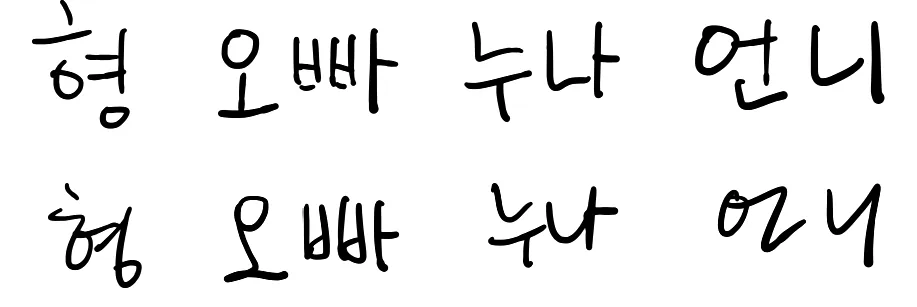
What Does 형님 (Hyungnim) Mean in Korean?
형님 (hyungnim) is the extra-respectful version of 형 — including its workplace and 'gangster boss' K-drama usage.
▶ Short video
8 Ways to Say "I Love You" in Korean
사랑해 isn't the only way to express love in Korean — from a formal 사랑합니다 to a lighter 좋아해, here are 8 phrases organized by depth and formality.
▶ Short video
5 Ways to Say I Miss You in Korean
I miss you in Korean: bogo sipeo (보고 싶어), bogo sipeoyo, bogo sipseumnida and the deeper 그리워요 — 5 phrases from informal to formal, with examples.
▶ Short video
How Do You Say IKEA in Korean?
Learn how to say IKEA in Korean — 이케아 (ikea) — one of the simplest, most direct loanword matches, and a good final example for the Konglish rules.
▶ Short video
What Does 이모 (Imo) Mean in Korean?
이모 (imo) means 'aunt' on the mother's side in Korean — and, in everyday speech, the way you address restaurant workers and older women with no family relation.
▶ Short video
What Does 잘 먹겠습니다 (Jal Meokgetseumnida) Mean?
잘 먹겠습니다 (jal meokgetseumnida) literally means 'I will eat well' — when to say it, and its after-meal partner 잘 먹었습니다.
▶ Short video📷 Our photos
What Does 제발 (Jebal) Mean in Korean?
Jebal (제발, also spelled jaebal) is the begging, desperate 'please' in Korean — not the polite 주세요. When natives say it, with real examples and a quiz.
▶ Short video✍️ Handwriting

What Does 저기요 (Jeogiyo) Mean in Korean?
저기요 (jeogiyo) is the all-purpose Korean 'excuse me' for calling staff and strangers — plus how it differs from 여기요 and restaurant culture around it.
▶ Short video📷 Our photos
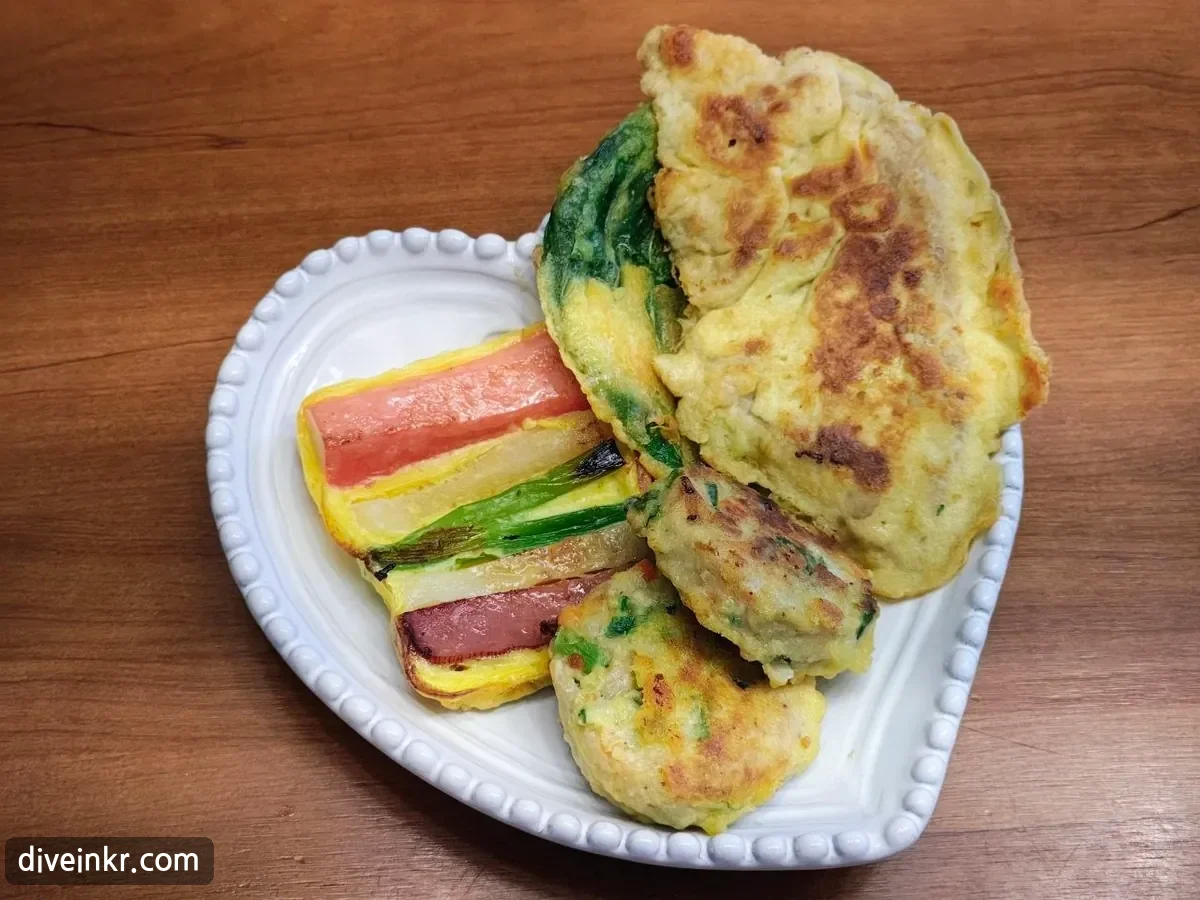
What Does 전 (Jeon) Mean? Korea's All-Purpose Savory Pancake
전 (jeon) is Korean pan-fried food — meat, fish or vegetables in flour and egg or batter. The common types, how it differs from 부침개, and its holiday role.
▶ Short video📷 Our photos
What Does 즐감하세요 (Jeulgamhaseyo) Mean?
즐감하세요 (jeulgamhaseyo), or just 즐감, is Korean internet slang for 'enjoy watching this,' seen under videos, posts and shared files.
▶ Short video
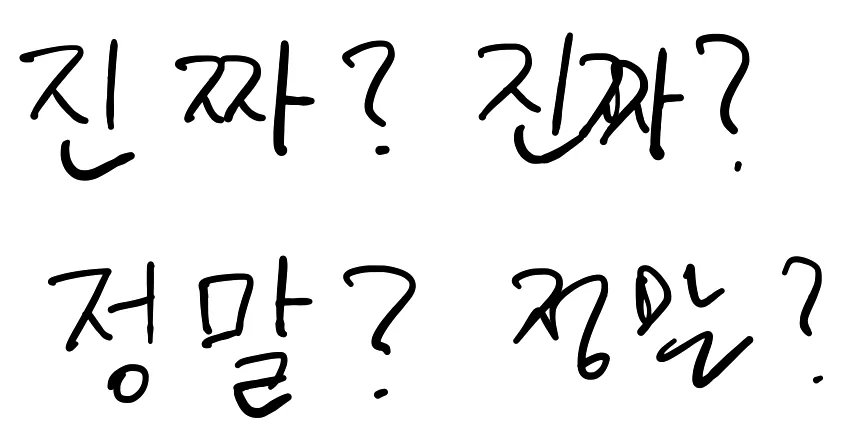
What Does 진짜 (Jinjja) Mean in Korean?
Jinjja (진짜, also spelled jinja) means 'really?', 'real' or 'seriously' in Korean. How to use it as a question, an adjective and an intensifier — with a quiz.
▶ Short video✍️ Handwriting
What Does 짱 (Jjang) Mean in Korean?
짱 (jjang) is Korean slang for 'the best' — the thumbs-up word that goes with it, and how it combines with other words.
▶ Short video✍️ Handwriting

What Does 죄송합니다 (Joesonghamnida) Mean in Korean?
Joesonghamnida (죄송합니다) is the formal 'I'm sorry' in Korean. How it differs from mianhae (미안해) and when it also means 'excuse me' — with examples.
▶ Short video
What Does 존맛탱 (Jonmattaeng / JMT) Mean?
JMT (존맛탱, jonmattaeng) is Korean slang for 'insanely delicious' — like TMI, it's built from initials. How to use JMT, 존맛탱 and 존맛, with real examples.
▶ Short video
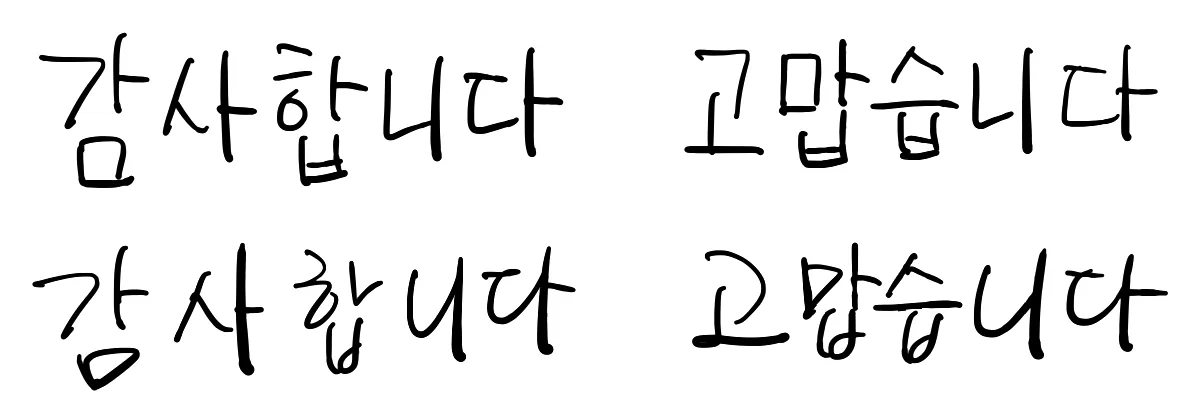
What Does 감사합니다 (Kamsahamnida) Mean in Korean?
Kamsahamnida (감사합니다, often typed kamsamida or gamsahamnida) is the polite 'thank you' in Korean. When to say it instead of 고마워요 or 고마워, with examples.
▶ Short video✍️ Handwriting
How Do You Say KFC in Korean?
Learn how to say KFC in Korean — 케이에프씨 (keieopeussi) — read letter by letter, and why that's a completely different pattern from McDonald's or Starbucks.
▶ Short video
What Does ㅋㅋㅋ Mean in Korean?
ㅋㅋㅋ (kkk) is the 'hahaha' of Korean texting — how it differs from ㅎㅎ, and why the number of ㅋ matters.
▶ Short video
What Does 꿀잼/노잼 Mean in Korean?
꿀잼 (kkuljaem, 'super fun') and 노잼 (nojaem, 'boring') are Korean slang built from 재미 (fun), with real examples.
▶ Short video
Korean Colors: 빨간색, 파란색 and the ㅎ Trick
Korean color words come in two forms — noun (빨간색) and adjective (빨갛다) — with an irregular ㅎ hiding in the middle. The full color list, explained.
▶ Short video📷 Our photos

Korean Days of the Week (and the Planets Inside Them)
The seven Korean days of the week — 월요일 to 일요일 — with the element/planet system behind each name that makes them easy to remember.
▶ Short video✍️ Handwriting

Korean Months and Dates: Number + 월, With Two Traps
Korean months are just Sino-Korean number + 월 — except June (유월) and October (시월), which drop a consonant. Months, dates, and how to say them all.
▶ Short video
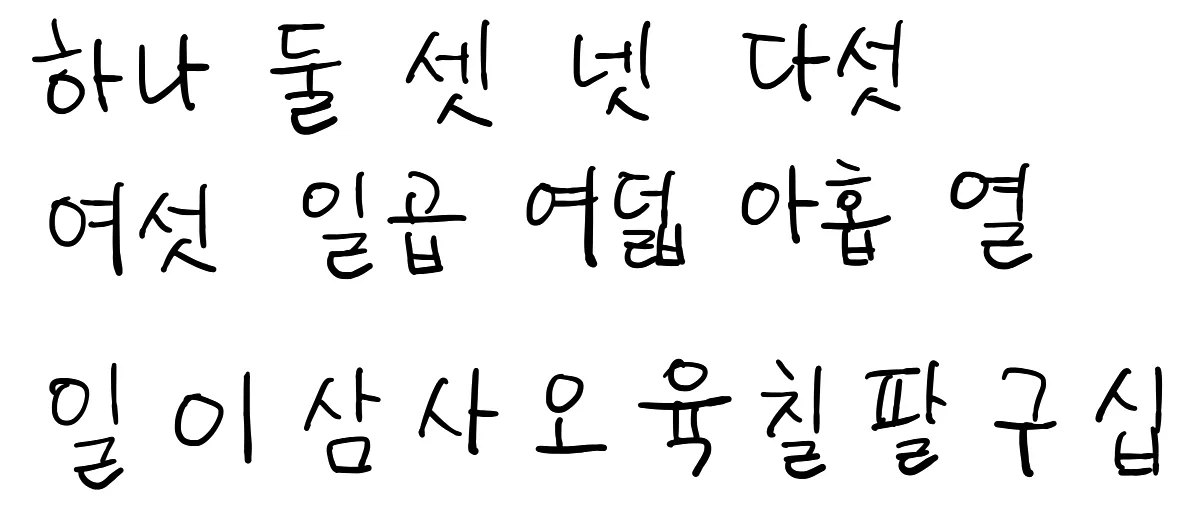
Korean Numbers 1 to 10: Both Systems Side by Side
Korean numbers 1-10 in both systems with audio: 하나·둘·셋 (native) and 일·이·삼 (Sino-Korean), the short forms 한·두·세, when to use which, and a quiz.
▶ Short video✍️ Handwriting
What Does 마음 (Maeum) Mean in Korean? Heart, Mind, and 마음 vs 가슴
마음 (maeum) is the mind and heart: thoughts, feelings, will. 가슴 (gaseum) is the chest where feelings hit the body. Meanings, examples, and a side-by-side table.
✍️ Handwriting

What Does 막내 (Maknae) Mean in Korean?
Maknae (막내) means the youngest member of a family, team or K-pop group. What 'golden maknae' means and how the role works in Korean culture.
▶ Short video✍️ Handwriting

How Do You Say McDonald's in Korean?
Learn how to say McDonald's in Korean — 맥도날드 (maekdonaldeu) — and exactly why the pronunciation differs from English, sound by sound.
▶ Short video
What Does 멘붕 (Menbung) Mean?
멘붕 (menbung) is Korean slang for a total mental breakdown or shock — real examples of how it's used casually.
▶ Short video
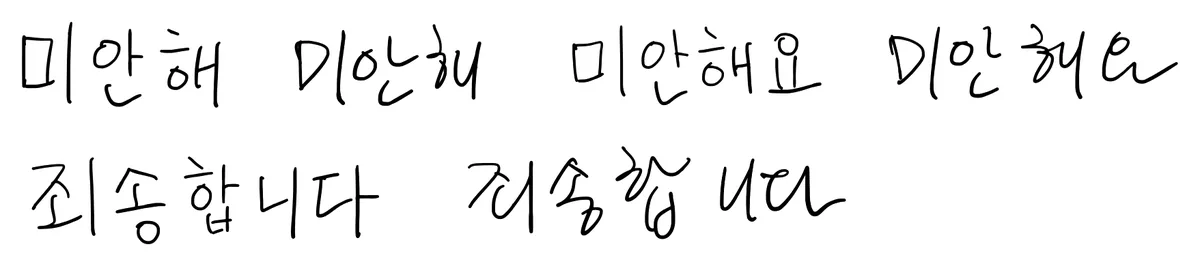
What Does 미안해 (Mianhae) Mean in Korean?
Mianhae (미안해) is the casual 'I'm sorry' in Korean. When to say 미안해, 미안해요 or 죄송합니다, why a quiet 미안해 carries whole K-drama scenes, and 미안해하지 마. With a quiz.
▶ Short video✍️ Handwriting
What Does 미친 (Michin) Mean in Korean?
Learn what 미친 (michin) means — literally 'crazy' — and how Korean slang uses it as both an insult and an excited compliment, plus 미치겠다.
▶ Short video
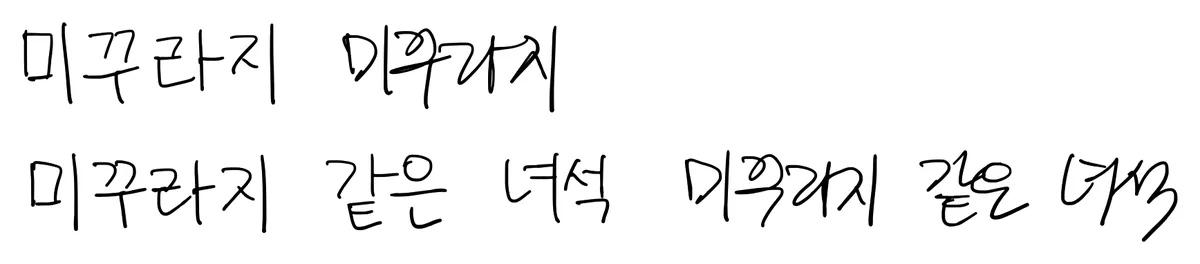
What Does 미꾸라지 (Mikkuraji) Mean in Korean? The Slippery Loach
미꾸라지 (mikkuraji) is a loach, and Korean for a slippery person who dodges blame or stirs up trouble. Meaning, examples, and the one-loach proverb.
▶ Short video✍️ Handwriting
What Does 먹방 (Mukbang) Mean in Korean?
먹방 (mukbang) is Korea's eating-broadcast trend — find out where the word comes from and how it became a global YouTube genre.
▶ Short video✍️ Handwriting

What Does 누나 (Noona) Mean in Korean?
Noona (누나, also spelled nuna) is what a man calls an older sister or older female friend. Who can say it, the 'noona romance' nuance, and noona vs unnie.
▶ Short video
What Does 어머 (Omo) Mean in Korean?
Omo (어머, also spelled ommo) is the Korean 'oh my!' of surprise. Who says it, 어머나 vs 어머, and how it differs from 헐 and 아이고 — with examples.
▶ Short video✍️ Handwriting

What Does 오빠 (Oppa) Mean in Korean?
오빠 (oppa) is what a girl calls an older brother or close male friend in Korean — who can use it, when to say it, and how it differs from 형, 언니, 누나.
▶ Short video
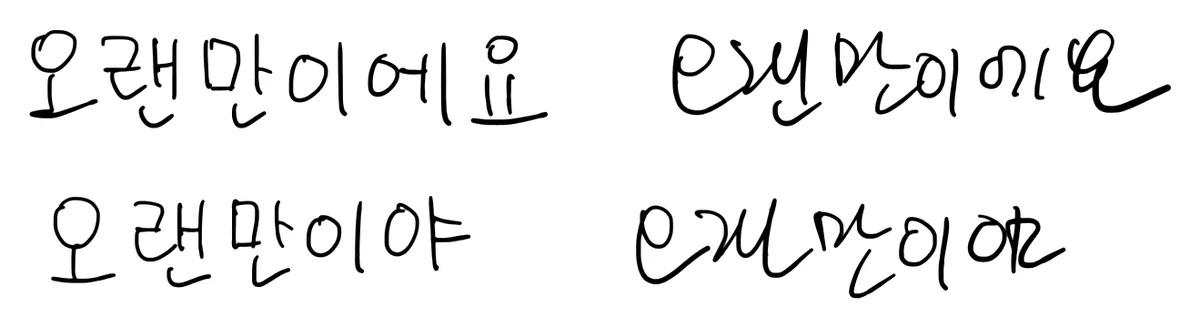
What Does 오랜만 (Oraenman) Mean in Korean? "Long Time No See" and More
오랜만이에요 (oraenmanieyo) means long time no see. Learn the polite and casual forms, why 오랜만 is short for 오래간만, and the 오랜만에 + verb pattern.
▶ Short video✍️ Handwriting
How Do You Say Pizza Hut in Korean?
Learn how to say Pizza Hut in Korean — 피자헛 (pijaheot) — and why 'pizza' itself is one of the most naturally-adapted loanwords in the language.
▶ Short video
편하다 (Pyeonhada): One Word for "Convenient" AND "Comfortable"
편하다 (pyeonhada) covers both 'convenient' and 'comfortable' in English — plus a third meaning about relationships being easy and relaxed.
▶ Short video
What Does 사촌 (Sachon) Mean in Korean?
Cousin in Korean is 사촌 (sachon), one word for any cousin. What 외사촌 and 고종사촌 add, and why Koreans don't call a cousin 사촌 to their face. Examples and a quiz.
▶ Short video✍️ Handwriting

What Does 삼촌 (Samchon) Mean in Korean?
삼촌 (samchon) is 'uncle' on the father's side in Korean, also used loosely for any uncle-like man — plus 외삼촌 and why there's no female samchon.
▶ Short video
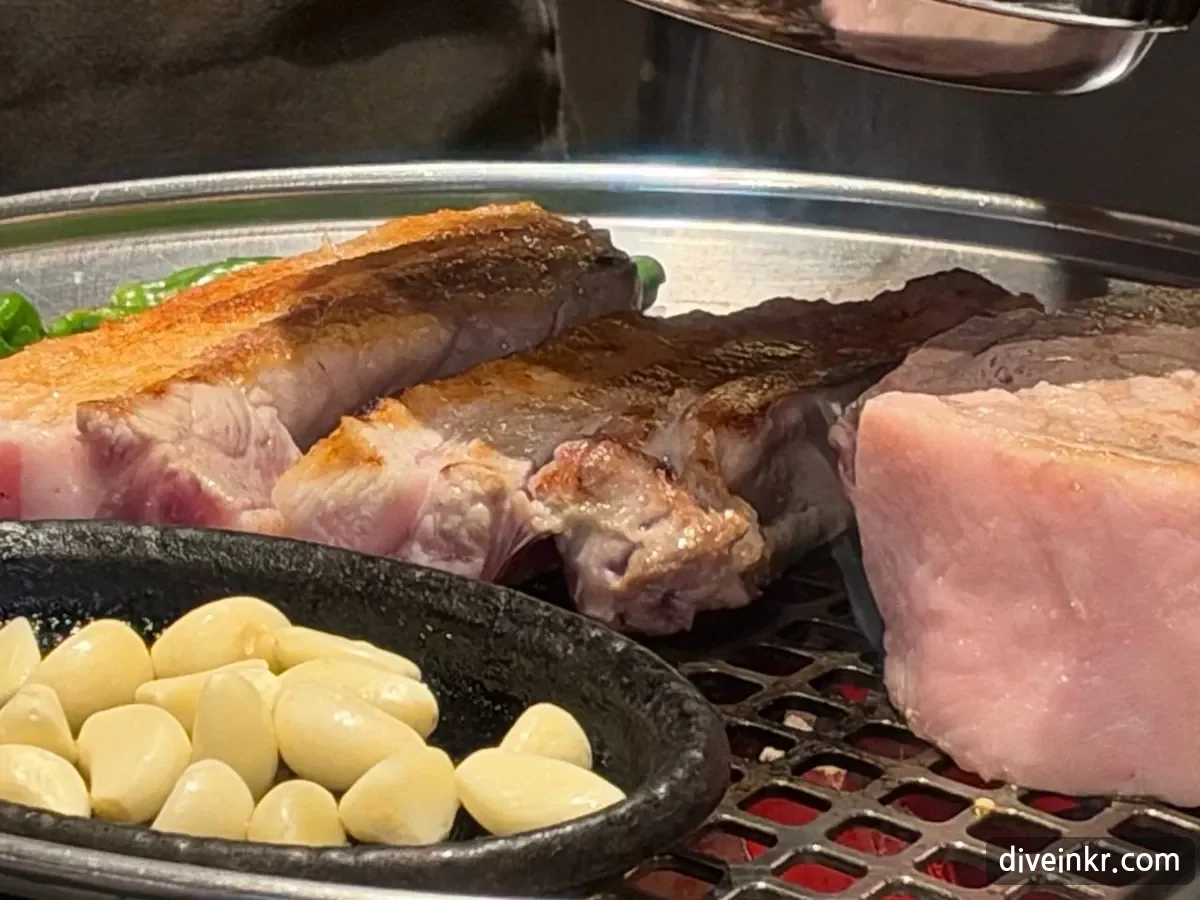
What Does 삼겹살 (Samgyeopsal) Mean in Korean?
삼겹살 (samgyeopsal, also spelled samgyupsal) is Korea's beloved grilled pork belly — how it's eaten, wrapped in lettuce, and why it's a social dish.
▶ Short video📷 Our photos
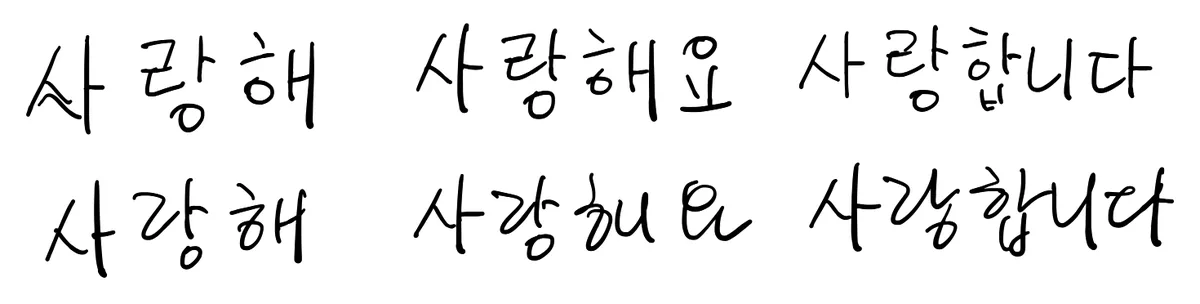
What Does 사랑해 (Saranghae) Mean in Korean?
Saranghae (사랑해) means 'I love you' in Korean. Saranghaeyo vs saranghamnida, who you can say each one to, and how K-pop idols use it with fans.
▶ Short video✍️ Handwriting
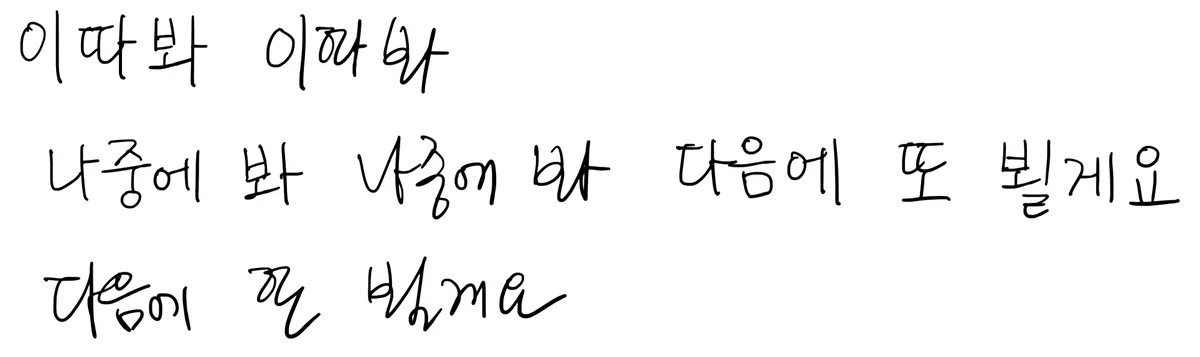
6 Ways to Say See You Later in Korean
See you later in Korean: 이따 봐 is for later today, 나중에 봐 and 다음에 봐 for an open date, and humble 뵐게요 forms for seniors. 6 ways, casual to formal, with examples.
▶ Short video✍️ Handwriting
What Does 셀카 (Selca) Mean in Korean?
셀카 (selca) is Korean's own contraction for 'selfie' — how it differs slightly in usage, plus 셀스타그램 and related terms.
▶ Short video
What Does 심쿵 (Simkung) Mean?
심쿵 (simkung) is Korean slang for a heart-skipping moment of attraction or cuteness, with real examples from K-drama and K-pop fandom.
▶ Short video
What Is 소주 (Soju)? Korea's Signature Spirit, Explained
Learn what soju (소주) is — Korea's iconic clear spirit — its typical alcohol content (ABV), the green bottle, and the drinking etiquette that goes with it.
▶ Short video
What Does 썸타다 (Sseomtada) Mean in Korean? The Almost-Dating Stage
썸타다 (sseomtada) is the stage where two people like each other but are not yet officially dating. Meaning, real scenes, 썸남 and 썸녀, and 썸 vs 사귀다.
✍️ Handwriting

How Do You Say Starbucks in Korean?
Learn how to say Starbucks in Korean — 스타벅스 (seutabeokseu) — and why English's two syllables become four in Korean.
▶ Short video📷 Our photos

How Do You Say Subway (the Sandwich Chain) in Korean?
Learn how to say Subway (the sandwich restaurant) in Korean — 서브웨이 (seobeuwei) — and how it stays distinct from 지하철, the native word for subway trains.
▶ Short video
What Does 수고했어 (Sugohaesseo) Mean in Korean?
Sugohaesseo (수고했어) means 'you worked hard / good job' in Korean. The polite 수고하셨습니다 and 수고하세요, and why English can't quite translate it.
▶ Short video
What Does 선배 (Sunbae) Mean in Korean?
Sunbae (선배, also seonbae) is someone who joined your school, company or field before you, not just someone older. When to add 님, how 후배 works. Handwriting.
▶ Short video✍️ Handwriting

6 Ways to Say Take Care in Korean
'Take care' in Korean depends on the moment: 조심히 가세요 for someone leaving, 몸조심하세요 for health, 잘 지내요 for a long goodbye. The 6 you'll really use.
▶ Short video
10 Ways to Say Thank You in Korean
Thank you in Korean, from formal to informal: kamsahamnida (감사합니다), gomawoyo, gomawo and more — 10 phrases and exactly when each one fits.
▶ Short video
How Koreans Use "TMI" (Too Much Information)
Learn how Koreans use TMI — borrowed directly from English 'too much information' — and how its everyday use differs slightly from English.
▶ Short video
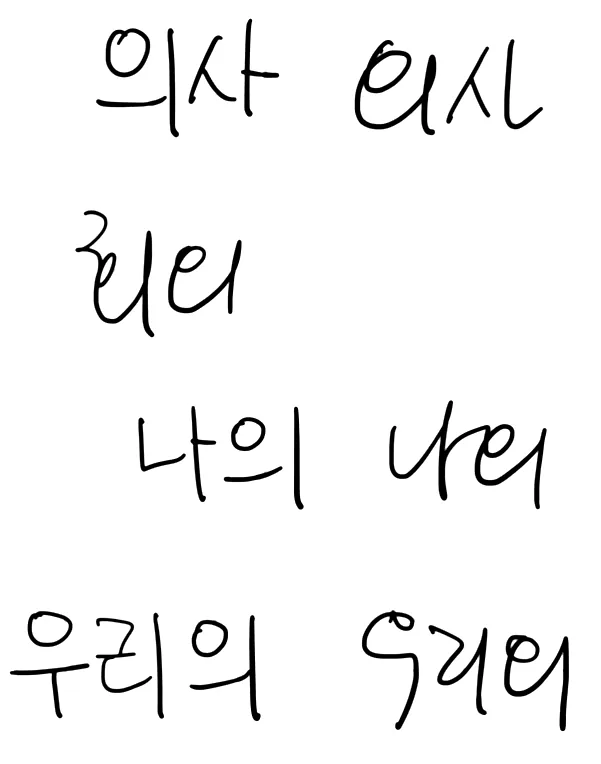
Why Is 의 Pronounced Three Ways? Korean 의 (Ui) Pronunciation Rules
의 (ui) is read [ui] at the start of a word, [i] after a consonant like 희망 (himang), and [e] as the possessive 의. The official rule explained with examples.
▶ Short video✍️ Handwriting
Why Do Koreans Say 우리 (Our) Instead of 'My'?
우리 (uri, 'our') is what Koreans say where English says 'my' — 'our wife,' 'our mom,' 'our country' — and what it reveals about group identity.
▶ Short video
왜 and 뭐: Korean's Most Useful Question Words
왜 (wae, 'why') and 뭐 (mwo, 'what') are two of the most common Korean question words — with real conversational examples and tone notes.
▶ Short video
How to Say Welcome in Korean (5 Situations, Not One Word)
'Welcome' in Korean isn't one word: 어서 오세요 in a shop, 환영합니다 at an event, 어서 와 (eoseo wa) or 잘 왔어 at home. See which one fits where.
▶ Short video
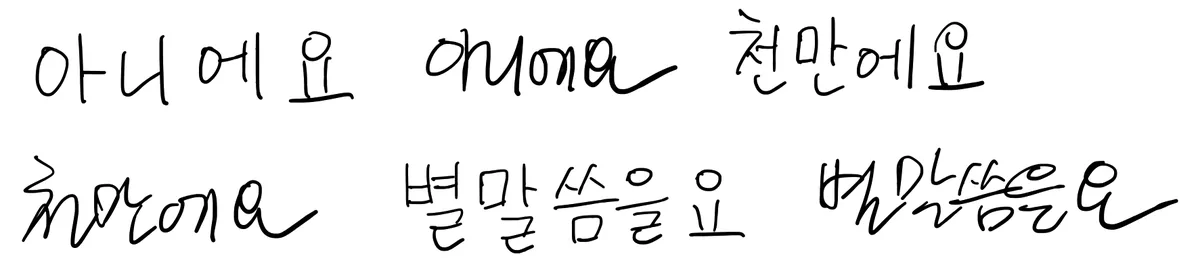
6 Ways to Say You're Welcome in Korean
You're welcome in Korean isn't just 천만에요 — Koreans mostly say 아니에요 (anieyo). 6 ways from casual 아니야 to formal 별말씀을요, and the rule that decides.
▶ Short video✍️ Handwriting