What Does 반찬 (Banchan) Mean in Korean?
Written and reviewed by Jun and Jin, native Korean speakers
Published · Updated · How we write & review
After this page, you can share 반찬 (banchan) the way Koreans do at the table — refills included — and see why kimchi is almost always there.
10-second answer
What does Banchan mean?
반찬 (banchan) means the small side dishes served alongside rice at a Korean meal — kimchi, seasoned vegetables, pickles, and more. They're placed in the center of the table and shared by everyone, and at most restaurants, refills are free.
Quick check — did that land?
1. What does 반찬 refer to?
반찬. You order one Korean meal and suddenly the table is covered with little dishes.
Quick Examples
반찬 더 주세요.
banchan deo juseyo.
Could I get more side dishes, please?
A completely normal, expected request — most banchan refills are free.
이 집 반찬이 진짜 맛있어요.
i jip banchan-i jinjja masisseoyo.
The side dishes at this place are really good.
Banchan quality is a real point of pride for restaurants.
See also: Korean dining etiquette
How Banchan Actually Works at the Table
Banchan aren't appetizers — they arrive with (or before) the main dish and stay for the whole meal, shared from the center rather than portioned individually, as covered on the dining etiquette page. A typical meal might include kimchi, 나물 (seasoned vegetables), 계란말이 (rolled omelette), and pickled radish, varying by restaurant and region.
To review the table vocabulary, try the Korean Food & Dining deck in Korean Word Match.
To see where banchan fit in an everyday family dinner, read what a Korean home meal looks like.
Kimchi: The One Banchan That's Basically Guaranteed
김치 (kimchi) — fermented, seasoned vegetables, most famously napa cabbage — shows up at nearly every Korean meal as a banchan, to the point that its absence would be unusual. There are dozens of kimchi varieties beyond the cabbage version, made from radish, cucumber, and other vegetables.
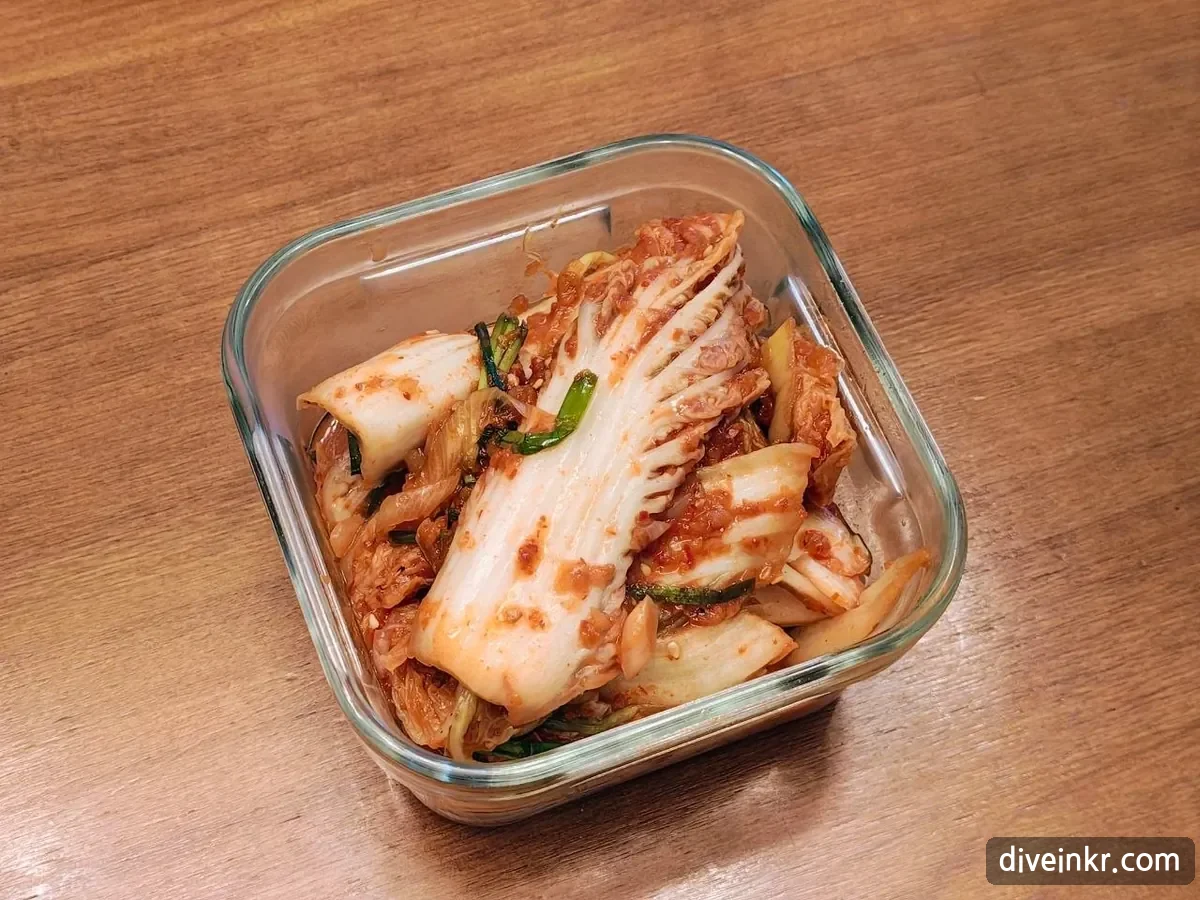
Many families still make a big batch of kimchi in late autumn to last the winter — see 김장 (kimjang).
Common Mistakes
Mistake #1 — Assuming banchan cost extra
At the vast majority of Korean restaurants, banchan (and refills) are included in the meal price — no need to hesitate before asking for more.
Mistake #2 — Treating banchan as a starter course
They're eaten throughout the meal alongside rice and the main dish, not finished before the entrée arrives.
The same spread of side dishes is what you see in a 먹방 (mukbang).
Mini Quiz
2 short questions — about 1 minute
2. Do you typically need to pay extra for banchan refills?
3. What is 김치's role at a Korean meal?
Related Knowledge
Learn Next
What Does 삼겹살 (Samgyeopsal) Mean?
Banchan is the supporting cast — samgyeopsal is one of Korea's most iconic main events.
Will you remember this tomorrow?
Save it — your daily review brings it back right before you'd forget. No account needed.